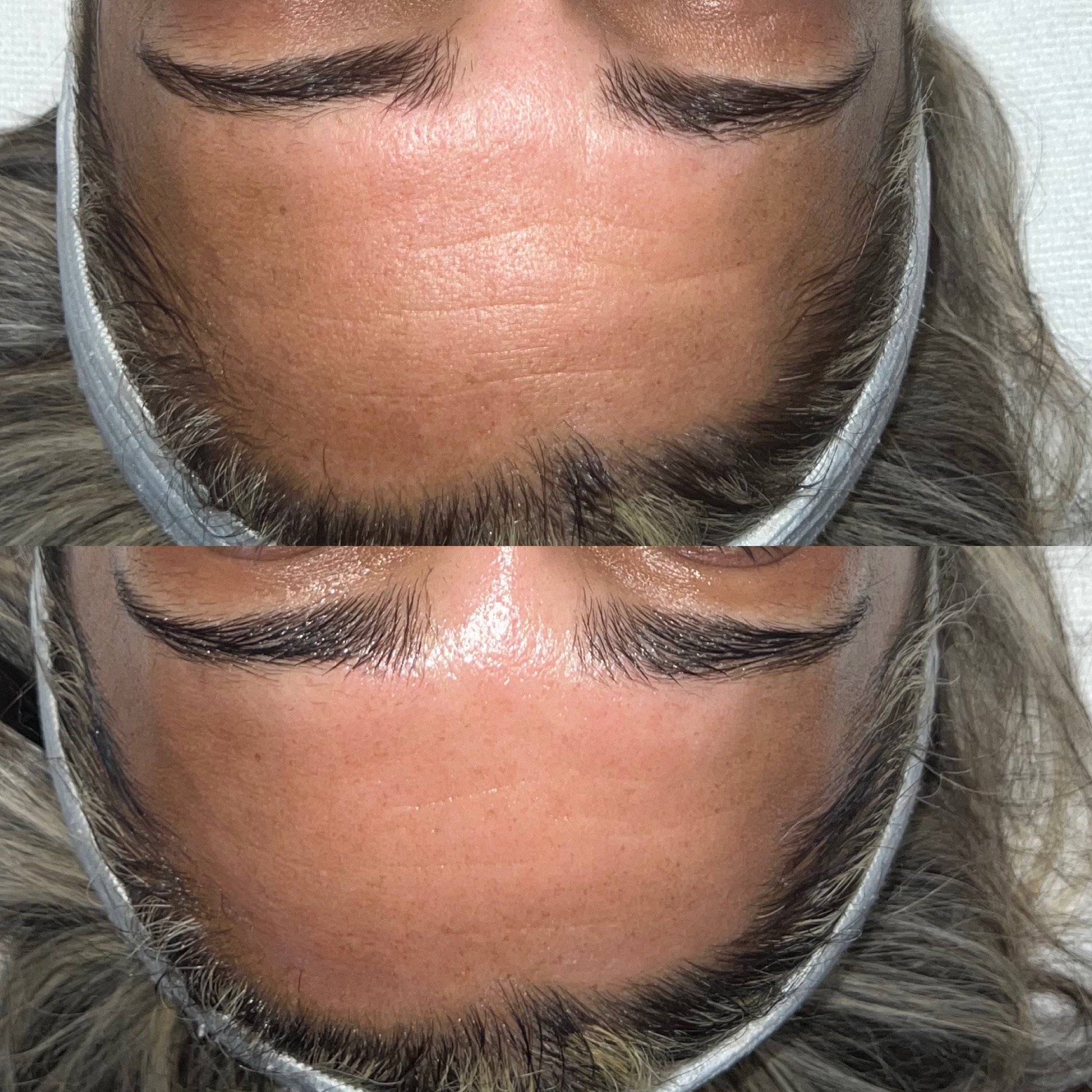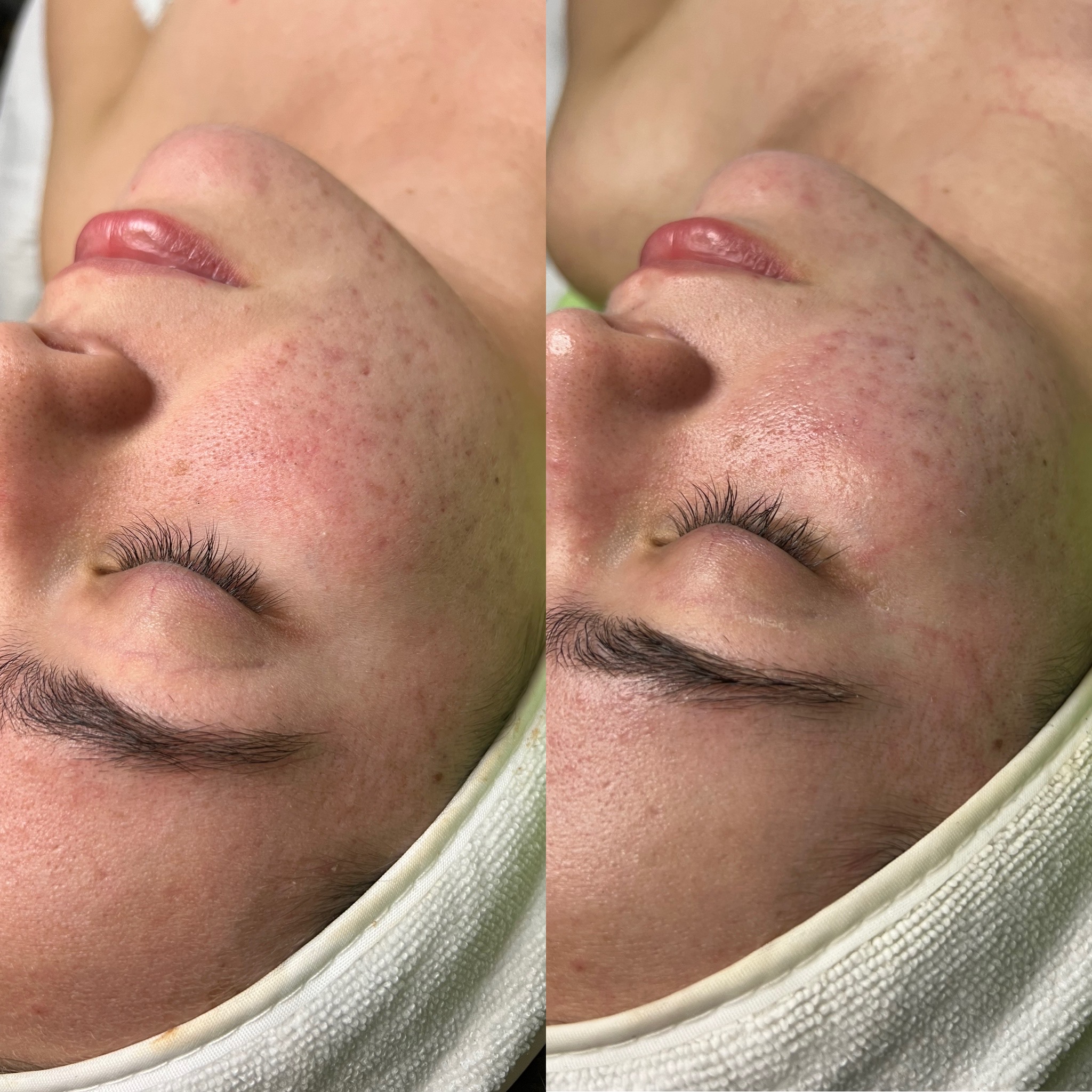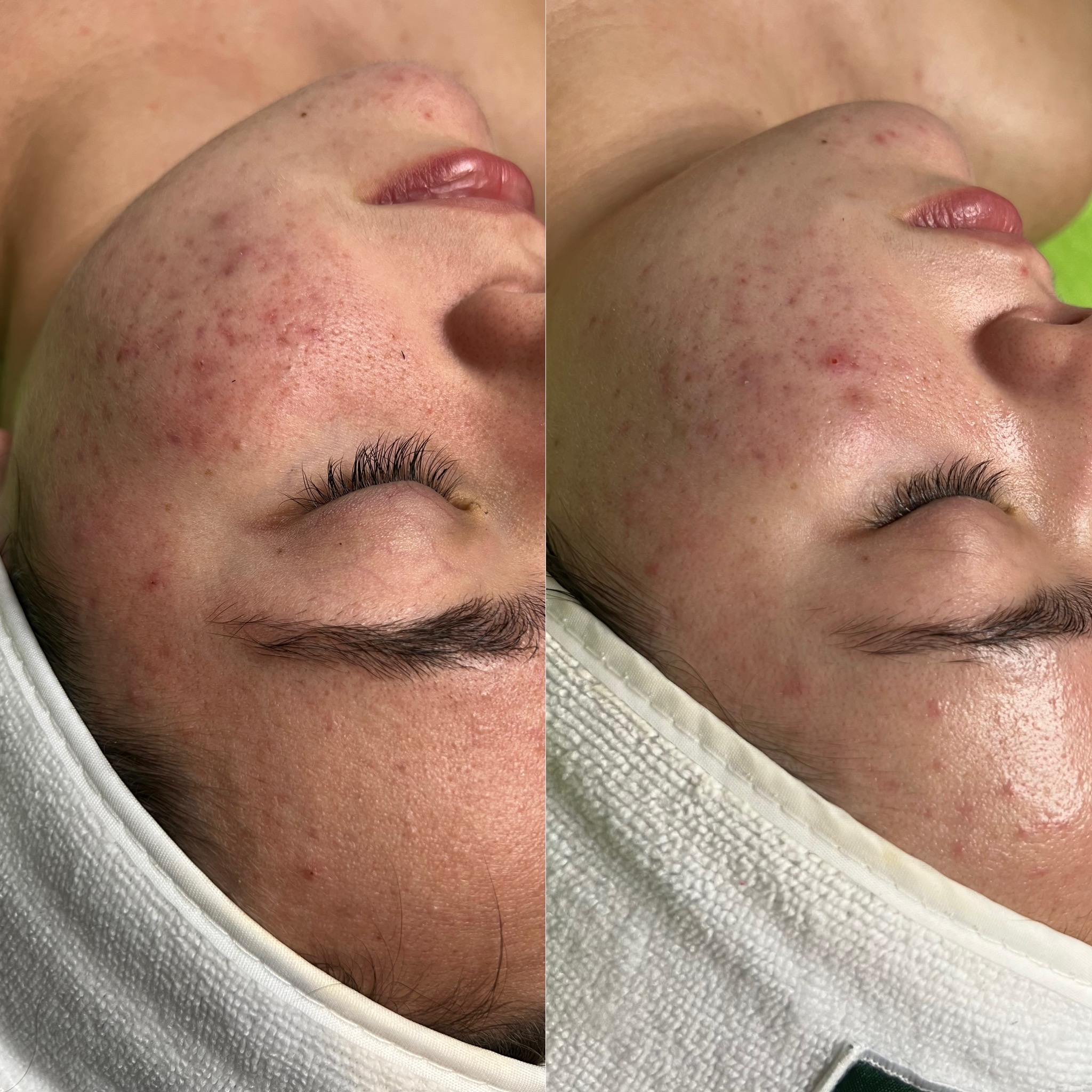
After more than twenty years as a licensed esthetician — I received my esthetics license in 2004, after beginning my career as a licensed massage therapist in 2002 — and after navigating my own journey through autoimmune disease and poor health, I arrived at a conclusion that changed the way I practice: the skin does not lie.
What shows on the surface is almost always a reflection of something happening deeper. In the gut. In the nervous system. In the body's inflammatory load. And no amount of topical treatment — no matter how advanced, no matter how well-sequenced — will produce lasting results if those deeper drivers are not addressed.
That is the foundation of The Intentional Aging Method.
What the method is — and what it is not
The Intentional Aging Method is not a product line. It is not a facial protocol. It is not a set of treatments you receive in a particular order. It is a framework — a way of thinking about skin health that begins with the whole person and works its way to the surface, rather than the other way around.
"Skin is not a problem to be solved. It is a reflection to be understood."
Most esthetics practices — even excellent ones — begin with the skin. They assess what is visible, identify the presenting concern, and select treatments designed to address it. That approach works, to a point. But it often produces results that plateau, or that require constant maintenance to sustain, because the underlying drivers are still active.
This method begins differently. Before a treatment plan is built, before a product is recommended, before a single tool is applied — the whole picture is considered.
The three pillars
Pillar One: Nervous System & Mindset
Chronic stress is not a soft concern. It is a physiological event. When the nervous system is in a prolonged state of activation, cortisol and other stress hormones are released — and those hormones drive systemic inflammation, disrupt the gut microbiome, impair sleep, and accelerate the breakdown of collagen. Every one of those downstream effects shows up on the skin.
Mindset work, self-awareness practices, nervous system regulation — these are treated in this method as clinical tools, not wellness extras. Because they are. The research on the relationship between psychological state and skin behavior is substantial and growing.
Pillar Two: Internal Health & Calm Inflammation
The skin is intimately connected to the gut, the liver, the endocrine system, and the body's overall inflammatory state. Gut dysbiosis, nutrient deficiencies, hormonal imbalances, poor sleep, and chronic low-grade inflammation all manifest on the skin — often in ways that no topical treatment can resolve.
This pillar is about root causes. It does not replace medical care — it complements it. And it informs the treatment decisions made in Pillar Three.
Pillar Three: Strategic Skin Treatments & Home Care
Only once the first two pillars have been considered is a treatment plan built. This is the key distinction between this practice and most others: treatments are not the starting point. They are the culmination of a thorough, individualized assessment.
Every treatment is selected for a specific reason, sequenced in a specific order, and adjusted throughout based on how the skin is responding. There are no standing protocols. There is no one-size-fits-all approach.
Who this method is for
The Intentional Aging Method applies to every client I work with — whether you are a woman in your 40s navigating the skin changes of perimenopause, a teenager dealing with persistent acne, or someone who has simply tried everything and is tired of results that do not last.
The specifics of how each pillar is addressed will look different for every person. But the framework — the commitment to addressing the whole picture before treating the surface — is the same.
If that resonates with you, I would be glad to talk about where you are and what might actually help.
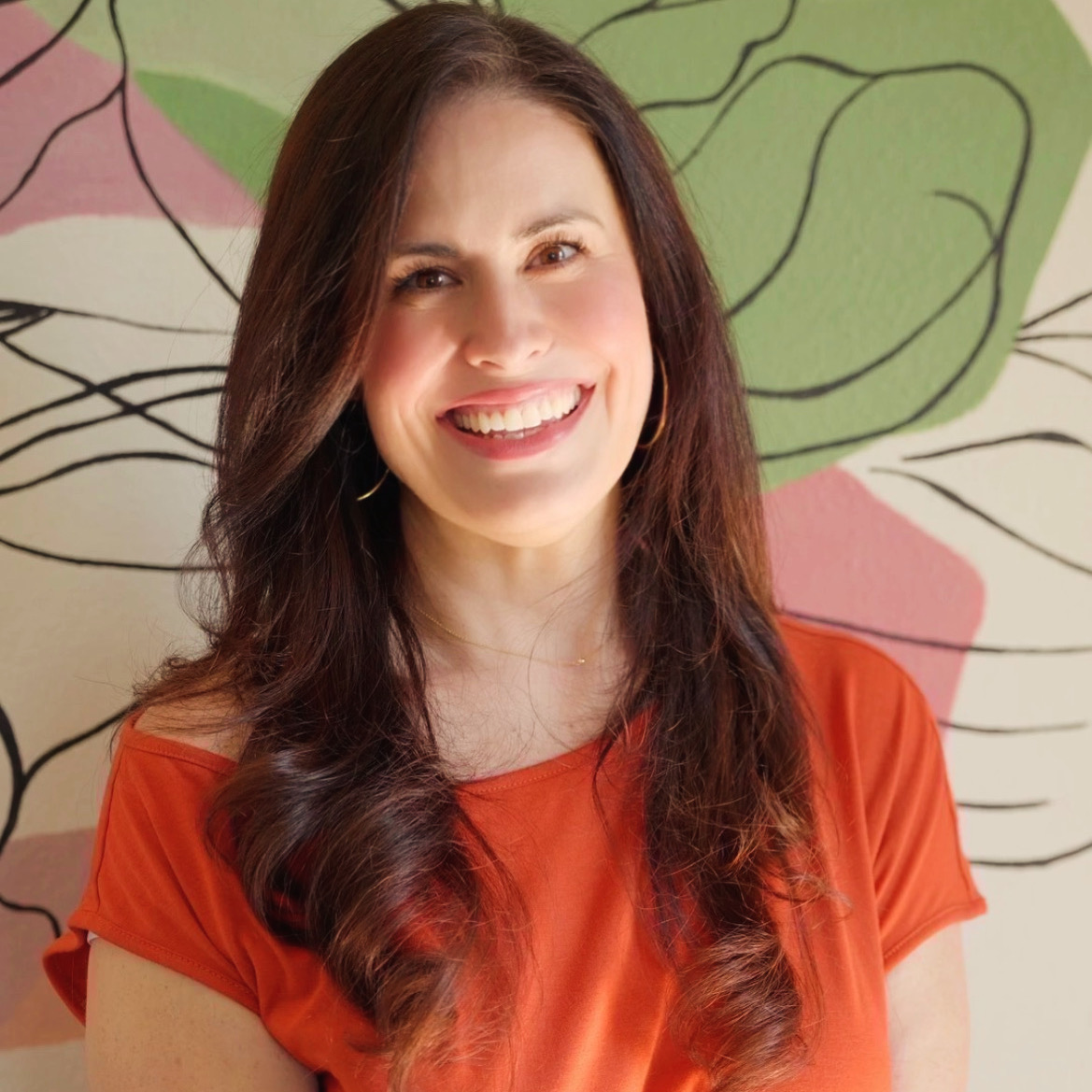
Melissa
Licensed esthetician since 2004. Licensed massage therapist 2002–2008. Founder of The Intentional Aging Method and The Skin Retreat, Houston, Texas. Currently expanding into certified health and wellness coaching.
About Melissa